
 Panthers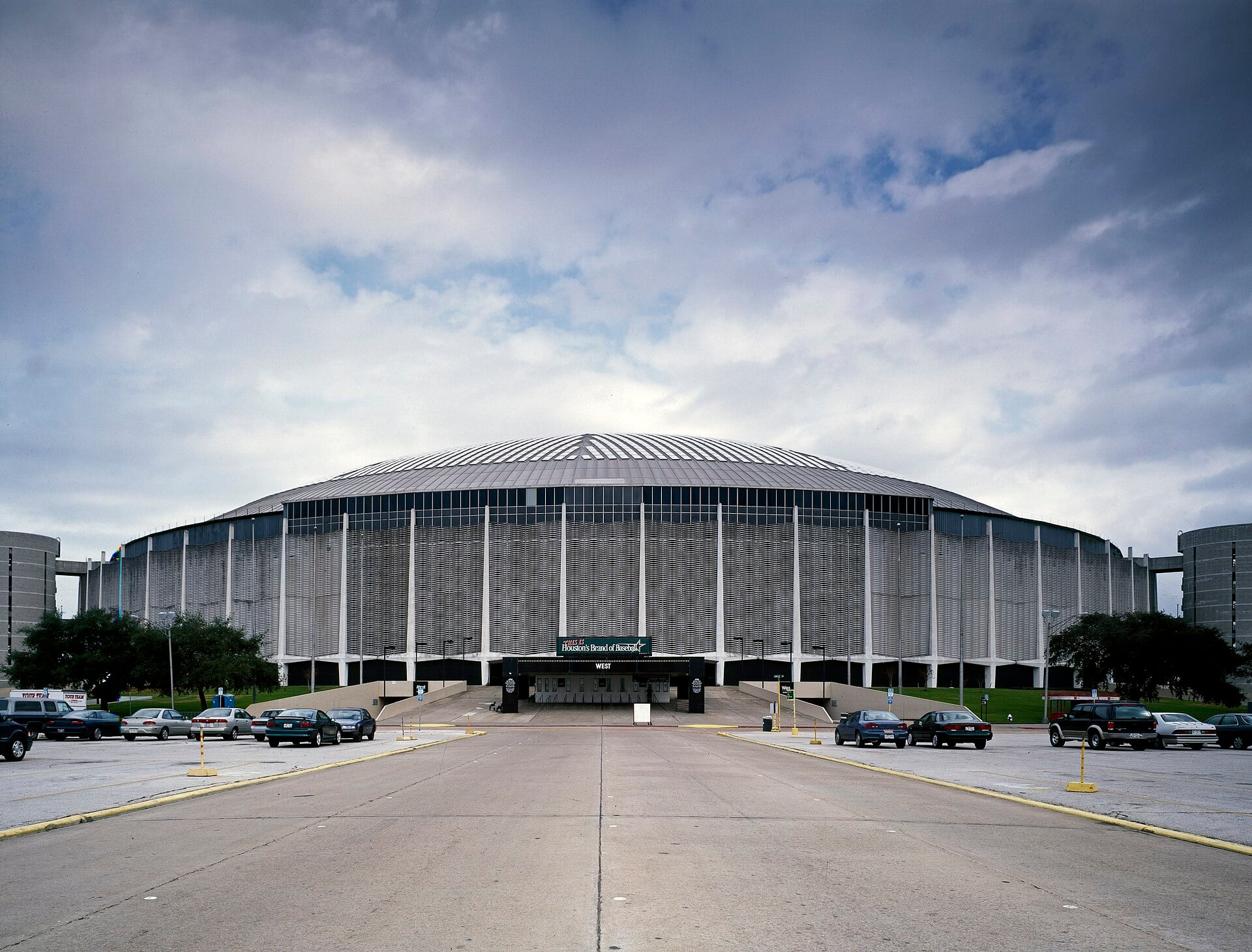
Fifty years and one day before the Buccaneers kick off their 2026 season at Cincinnati, they kicked off their very first season, anywhere, against anyone. On September 12, 1976, the expansion Tampa Bay Buccaneers walked onto the AstroTurf of the Houston Astrodome for the first regular season game in franchise history. They lost 20-0. It was the opening game of a stretch this site has already told in full, the 26-game losing streak that gave the early Buccaneers their nickname. This piece is not about that whole streak. It is about the one afternoon that started it.
An NFL franchise built from nothing
The NFL awarded Tampa Bay an expansion franchise on April 24, 1974, and Hugh Culverhouse, a Jacksonville tax attorney, put together the ownership group that paid for it. Culverhouse had no head coach and no players, only two years to find both before his team had to take the field.
For the coach, Culverhouse leaned on advice from NFL personnel man Ron Wolf and Alabama's Bear Bryant, who both pointed him toward John McKay. McKay had spent sixteen seasons at USC, winning four national championships, and had never coached a professional down in his life. He arrived in Tampa with the head coach title and, in practice, ran the front office too.
For the roster, the league ran an expansion draft in which every other team protected its best players and exposed the rest. Buccaneers.com later described what McKay had to work with, bluntly, as "veteran castoffs and street free agents." It was not a talent evaluation problem so much as a math problem: an entire 40-plus man roster had to be assembled from players nobody else wanted to keep, and the expansion rules gave McKay almost nothing to build continuity with. Tampa Bay's first ever draft pick, made before that first season, was Oklahoma defensive end Lee Roy Selmon, a genuine building block. Everything else on the depth chart was patched together.
At quarterback, McKay traded for Steve Spurrier, the 1966 Heisman Trophy winner out of Florida who had spent most of his career backing up Jim Plunkett and John Brodie in San Francisco. Spurrier arrived as the most recognizable name on the roster and, by September 1976, as the man who had to try to move the ball with almost no offensive line continuity behind him.
A one year detour through the AFC West
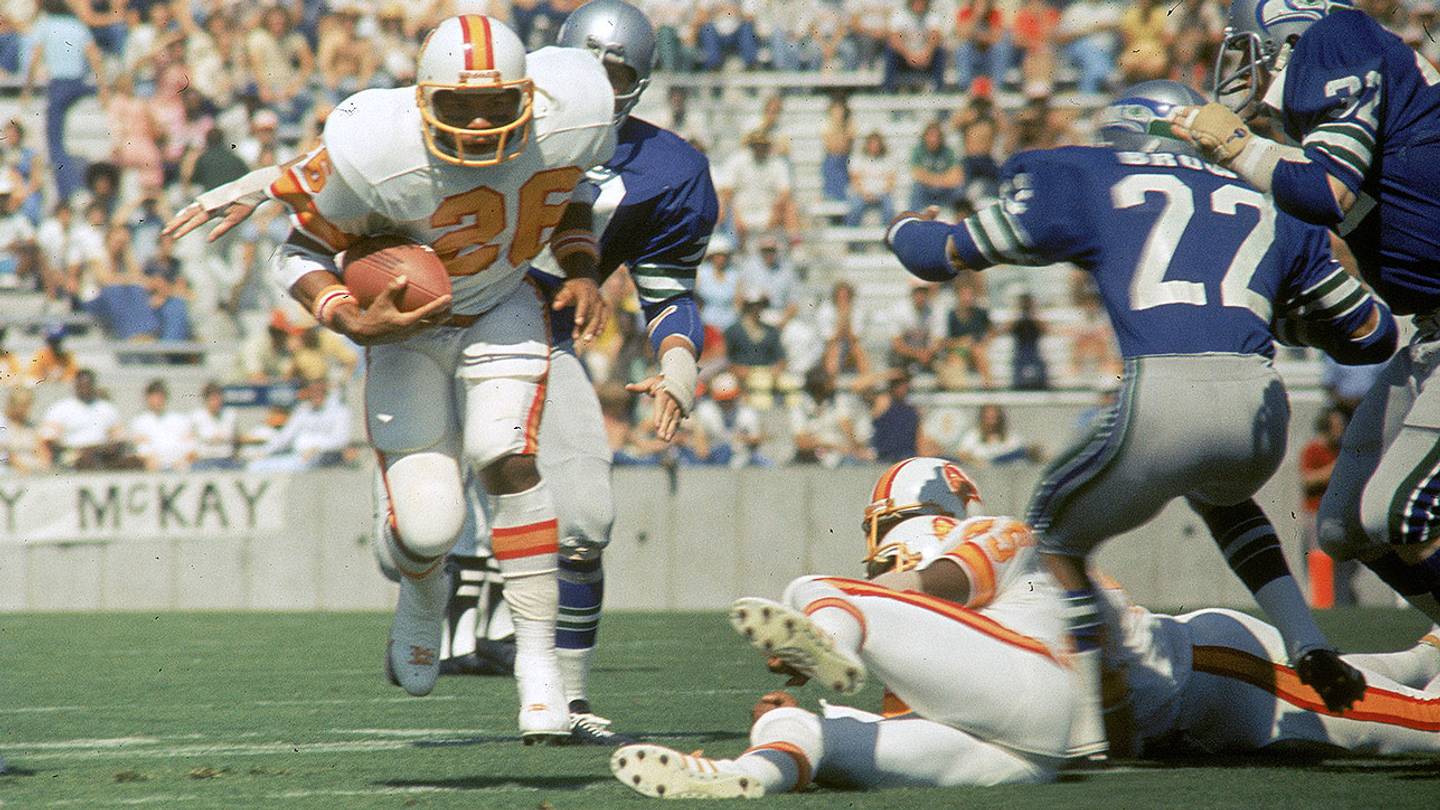
Before any of that reached the field, the league had to decide where to put its two new teams, Tampa Bay and the Seattle Seahawks, inside the existing conference structure. For 1976 only, the NFL placed the Buccaneers in the AFC West and the Seahawks in the NFC West, an arrangement designed so both expansion teams would play each other twice and every other franchise once during their first two seasons. The following year the two teams swapped: Seattle moved to the AFC West, its natural geographic fit, and Tampa Bay moved to the NFC Central, where it would stay for the next quarter century. The Buccaneers' first NFL season, in other words, was played entirely in the wrong conference, a scheduling quirk that made Houston, not a division rival, their opening opponent.
Kickoff in the Astrodome
The Astrodome, opened in 1965 as the world's first domed stadium, was still a novelty a decade later, and it very nearly cost Tampa Bay its own kickoff. According to the Buccaneers' own fan history site and to Wikipedia's account of the season, the team got turned around inside the Astrodome's maze of interior corridors on the way from the visiting locker room to the field, and only reached the sideline with minutes to spare before kickoff. It is one of those stories that has been repeated often enough in Tampa Bay lore that it is worth telling here, sourced to more than one independent account rather than folklore alone.
Once the game itself started, the Buccaneers found the Astrodome no friendlier. A crowd of 42,228 watched Houston control the afternoon from the opening series. Oilers quarterback Dan Pastorini completed 17 of 27 passes for 194 yards and threw touchdown passes to two different receivers: a 13 yard score to running back Fred Willis in the second quarter and a 42 yard strike to Ken Burrough in the fourth. Kicker Skip Butler added field goals of 33 and 44 yards sandwiched around the second touchdown, and running back Ronnie Coleman gashed Tampa Bay's defense for 142 yards on 25 carries. Houston led 10-0 at the half and pulled away from there.
Tampa Bay's offense never found a rhythm. Spurrier completed only 8 of 21 passes and threw two interceptions behind a patchwork offensive line still learning to play together. Kicker Mirro Roder, a Czech born placekicker in his only NFL season, missed his field goal attempt in the game, part of a run in which he missed all three of his tries across the Buccaneers' first two games before being released. The Buccaneers' best-known target, receiver Lee McGriff, was involved in more than one near miss in the end zone, but nothing fell Tampa Bay's way. The final score, 20-0, made Houston the first opponent to shut out the new franchise. It would not be the last.
A week later, a first look at home
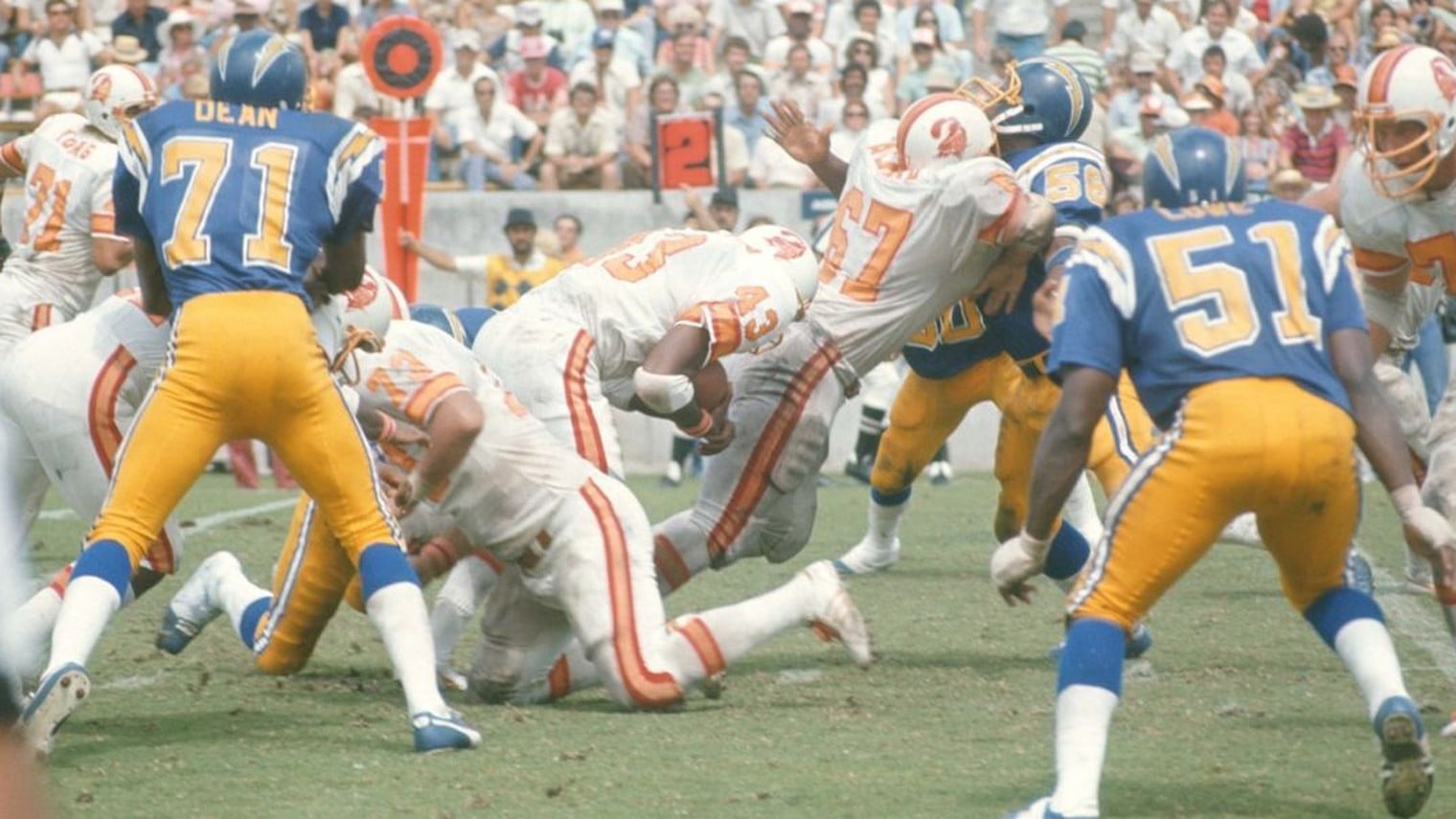
Tampa Bay did not have to wait long to try again in front of its own fans. On September 19, 1976, the Buccaneers played their first ever home game at Tampa Stadium, hosting the San Diego Chargers. The result was almost identical: another shutout loss, 23-0. Two games into franchise history, the Buccaneers had been outscored 43-0 and had yet to put a single point on the board, a start that set the tone for what became an 0-14 debut season and, after twelve more losses to open 1977, the longest losing streak in NFL history. That is where the story this article is not retelling picks up.
Fifty years and one day later
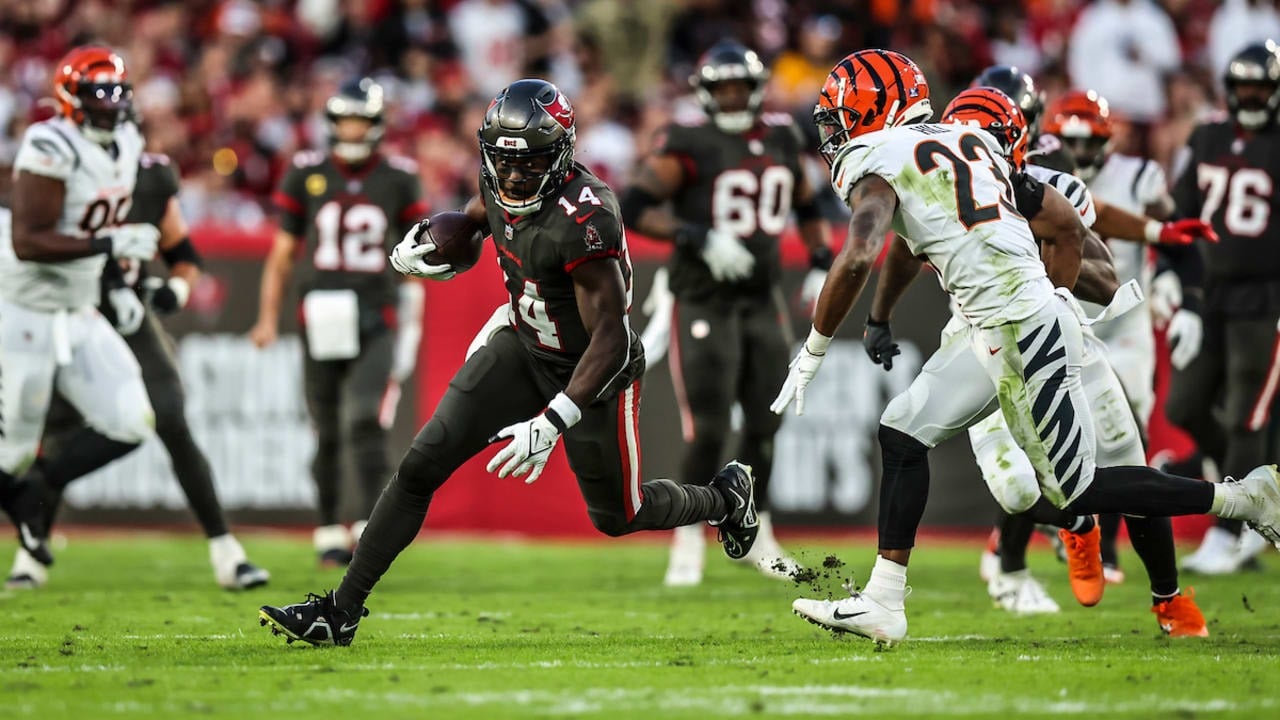
The Buccaneers who open the 2026 season at the Cincinnati Bengals on September 13, exactly fifty years and one day after that afternoon in the Astrodome, bear almost no resemblance to the team that walked out of Houston in 1976. This is a franchise with a Hall of Fame defensive end in Canton because of that very first college draft pick, two Super Bowl championships, and a head coach in his fifth season in charge rather than a first-year college legend still learning the pro game. Where the 1976 Buccaneers were a roster built in a matter of months from whatever the other 25 teams did not want, the 2026 roster has been built through five decades of drafts, free agency, and enough winning seasons that a 20-0 loss to open a season would now be treated as a crisis rather than an expected outcome.
The gap between those two openers is the whole story of how an expansion punchline became a team followed from Munich to Manila. It started with a bus, or a locker room, that could not find its way out of a Texas dome in time for the opening kickoff. Fifty years on, that is still where the franchise's story begins.
No comments yet. Start the conversation.