
 Panthers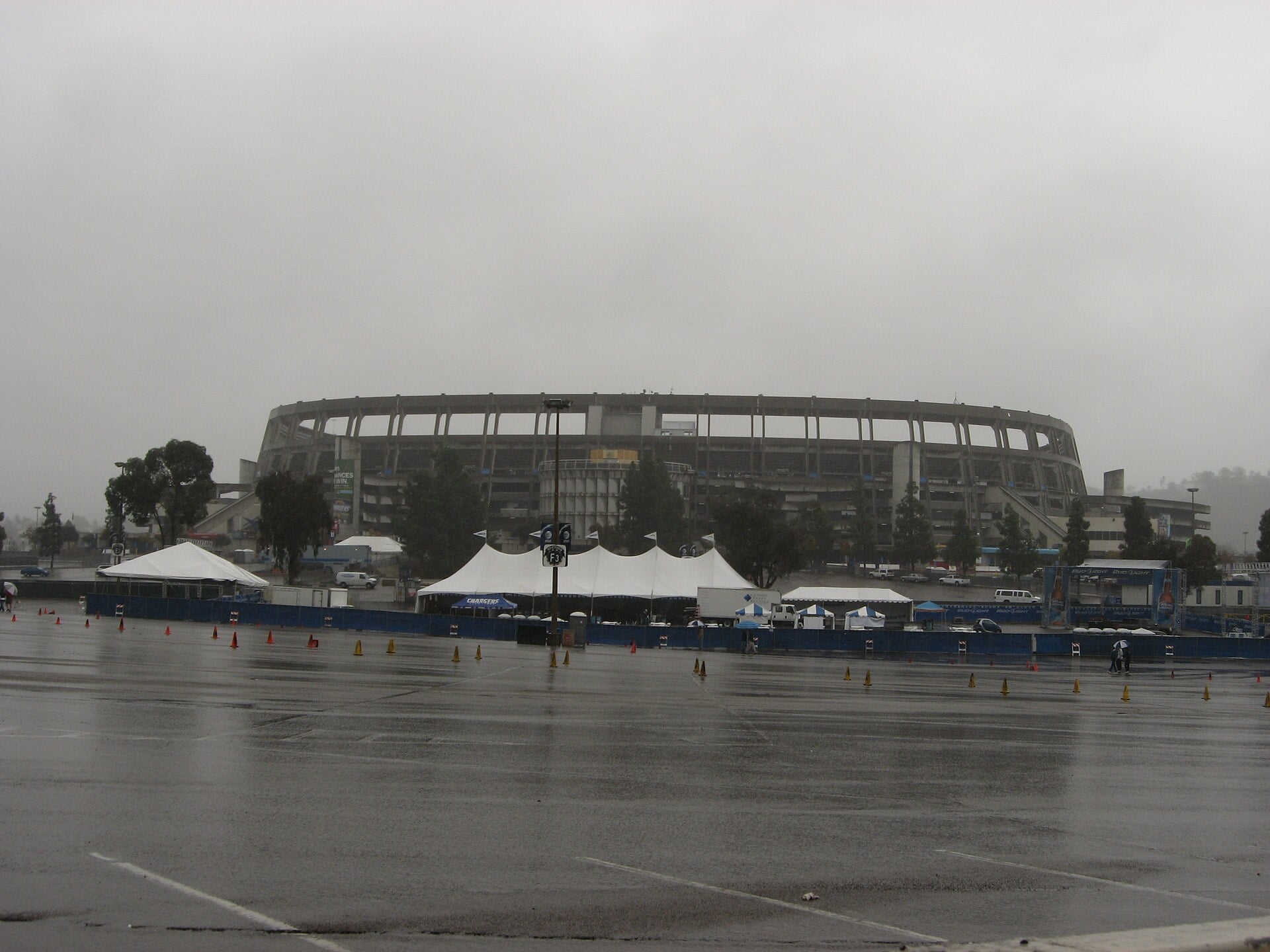
Qualcomm Stadium, San Diego, the evening of January 26, 2003. Rich Gannon, the NFL's reigning MVP, drops back to throw his fifth interception of the night. A Buccaneers defense that had waited its entire existence for this stage is about to turn a football game into a coronation. By the final whistle, Tampa Bay had won 48-21, and a franchise once mocked as the "Yucks" had a Lombardi Trophy of its own.
Getting to that stage started almost a year earlier, with a trade that had nothing to do with a player.
A coach for two first-round picks and $8 million
On February 18, 2002, the Buccaneers sent the Oakland Raiders two first-round draft picks, two second-round picks and $8 million in cash, paid out over three years, for the rights to head coach Jon Gruden. Oakland received a first- and second-round pick in the 2002 draft, a first-rounder in 2003 and a second-rounder in 2004.
Raiders owner Al Davis had reportedly wanted even more, including defensive tackle Warren Sapp, before settling for picks and cash. Gruden had coached the Raiders from 1998 through 2001 and taken them to the playoffs twice, so the price reflected a coach Oakland did not want to lose to a division rival, let alone the NFC.
Tampa Bay already had the pieces. Sapp, Derrick Brooks, John Lynch, Ronde Barber and a defense built under Tony Dungy through the 1990s had reached the NFC Championship Game the year before under Dungy, only to lose to the Eagles. What the roster lacked, in ownership's view, was an offensive mind who could finally get enough out of that defense to win a title. Gruden was hired to be that mind in his very first season with the team.
The best defense of its era
The 2002 regular season made clear just how good that defense already was. Tampa Bay allowed 196 points across the season, a total that ranks among the lowest for any Super Bowl-winning team in the modern era, and held opposing quarterbacks to a combined passer rating around 48. The unit became the first defense since the 1985 Chicago Bears to lead the NFL in total defense, points allowed and interceptions in the same season.
That defense carried four future Pro Football Hall of Famers, Sapp, Brooks, Lynch and Rice, and produced five All-Pro selections that year, with Simeon Rice, Sapp and Brooks named first team. The regular season had its bumps: an overtime loss to the Saints in the opener, a fourth straight defeat to Philadelphia, and a nervy, Gramatica-decided win over Carolina. But a 25-0 shutout of Baltimore and a 35-7 win over Cincinnati showed what the group looked like when it clicked, which turned out to be most Sundays that season. Tampa Bay finished 12-4 and won the NFC South.
The last game at Veterans Stadium
The 2002 Buccaneers finished the regular season 12-4 and rolled through the NFC playoffs on the back of that same defense. In the divisional round they shut out the San Francisco 49ers 31-6. That set up a rematch with Philadelphia, the team that had ended Tampa Bay's season the year before, in the NFC Championship Game on January 19, 2003.
The game also closed a chapter of NFL history. It was the final football game ever played at Veterans Stadium, the Eagles' home since 1971, before Philadelphia moved to Lincoln Financial Field the following season. A crowd of 66,713 showed up to see the ballpark off.
Tampa Bay won 27-10. The Buccaneers led throughout, and Ronde Barber put the result beyond doubt late in the fourth quarter by intercepting a Donovan McNabb pass and returning it 92 yards for a touchdown. For a franchise that had never reached a Super Bowl in 27 seasons, it was the biggest win in team history, right up until the next one.
The Gruden Bowl
Super Bowl XXXVII gave the media an obvious hook: Gruden, in his first year in Tampa, would coach against the very team he had left. Reporters called it the "Gruden Bowl" for weeks before kickoff, and Gruden's familiarity with Oakland's personnel and playbook became part of the pregame storyline.
That familiarity mattered on the field, too. According to game footage cited by multiple retrospectives, Buccaneers safety John Lynch told teammates during the game that Oakland kept running plays Gruden had specifically flagged for them to watch. Whatever the exact mechanism, the Tampa Bay defense played as if it knew what was coming.
Rich Gannon, the league's Most Valuable Player that season, walked into a defense that had spent all year waiting for a moment like this. Brad Johnson started at quarterback for Tampa Bay, with Martin Gramatica handling the kicking duties that would matter early.
Quarter by quarter: how a close game became a rout
First quarter. The teams traded field goals. Sebastian Janikowski hit from 40 yards for Oakland, and Gramatica answered from 31 yards for Tampa Bay. It was 3-3, the closest the score would be all night.
Second quarter. This is where the game turned. Gramatica added a 43-yard field goal, Mike Alstott punched in a 2-yard touchdown run, and Brad Johnson found Keenan McCardell for a 5-yard touchdown. Tampa Bay took a 20-3 lead into halftime, built almost entirely by an offense that had been considered the weaker unit all season.
Third quarter. McCardell caught his second touchdown of the night, an 8-yard score, before the defense started writing its own chapter. Dwight Smith intercepted Gannon and returned it 44 yards for a touchdown, the first of two pick-sixes he would score that night. Oakland answered with a touchdown pass to Jerry Porter, but by the time the third quarter ended Tampa Bay led 34-9, having scored 34 unanswered points across the second and third quarters.
Fourth quarter. Oakland briefly threatened a comeback narrative that never had a chance to matter. Eric Johnson returned a blocked punt for a touchdown, and Gannon found future Hall of Famer Jerry Rice for a 48-yard score. But Tampa Bay's defense kept intercepting him. Derrick Brooks picked off Gannon and raced 44 yards for a touchdown. Then Smith struck again, returning a deflected pass 50 yards for his second touchdown of the game. The final score read 48-21.
Gannon finished the night having thrown five interceptions, an NFL Super Bowl record that still stands, three of them returned for touchdowns. Tampa Bay's defense also sacked him five times.
Interception | Off | Return | Result |
|---|---|---|---|
Dexter Jackson | Rich Gannon | 9 yards | First-half turnover, set up points |
Dexter Jackson | Rich Gannon | 25 yards | Second first-half turnover |
Dwight Smith | Rich Gannon | 44 yards | Touchdown |
Derrick Brooks | Rich Gannon | 44 yards | Touchdown |
Dwight Smith | Deflected pass | 50 yards | Touchdown |
The MVP who never scored a touchdown
Voters gave the Super Bowl MVP award to safety Dexter Jackson, whose two first-half interceptions never reached the end zone but set the tone for everything that followed. Jackson became only the second safety, and third defensive back overall, to win the award. It was an unusual choice given that Smith and Brooks both scored touchdowns off their picks, but it reflected how completely the Tampa Bay secondary as a whole had dismantled Gannon's night before the game ever got out of hand.
At 39 years old, Gruden also became the youngest head coach to win a Super Bowl, surpassing John Madden, who had won Super Bowl XI at 40. Madden, coincidentally, had coached the Raiders, the same franchise Gruden had just beaten in his first season on the other sideline.
What it meant for a team that used to be a punchline
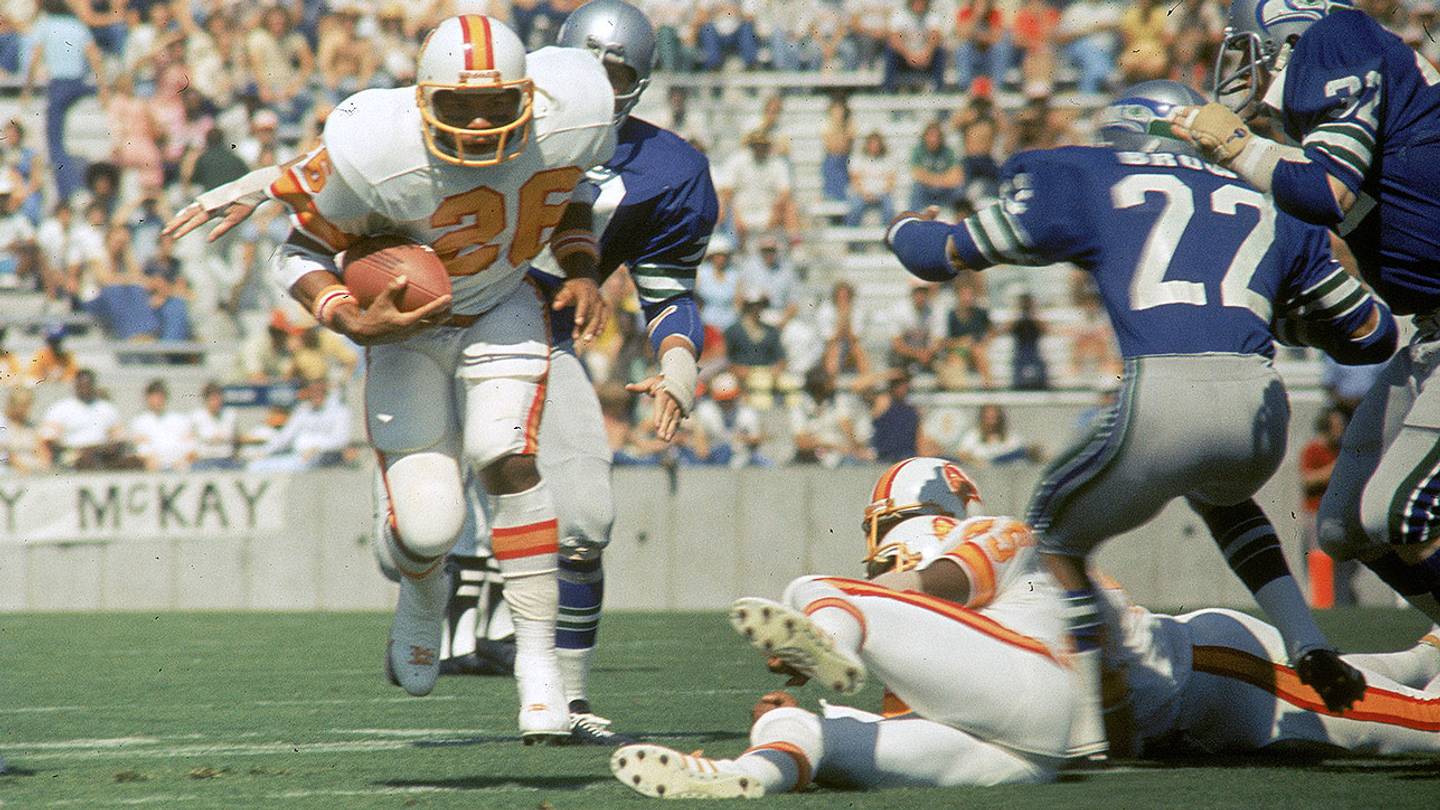
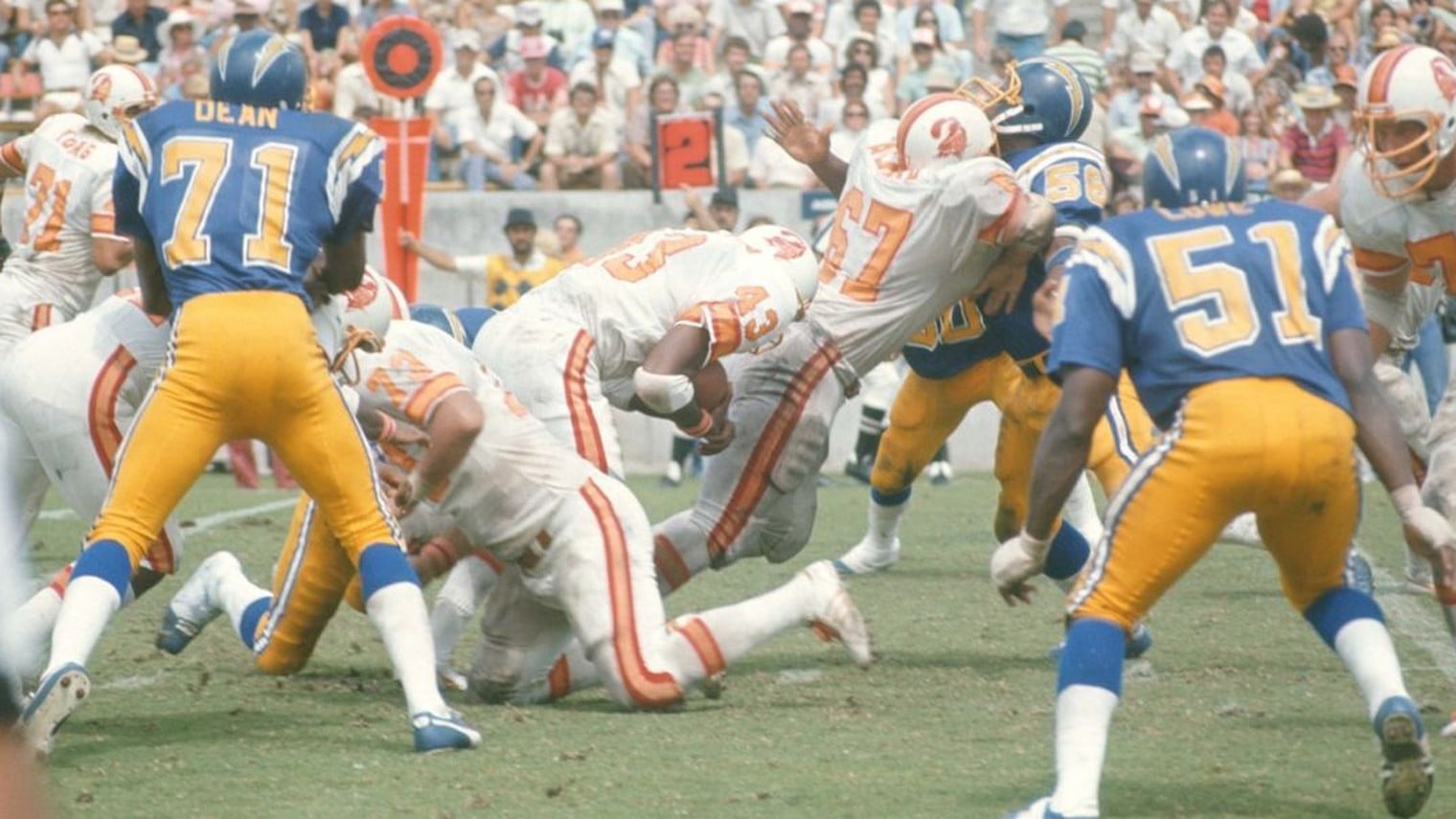
For a quarter century, "Buccaneers" and "Super Bowl" had rarely appeared in the same sentence without irony attached. The expansion franchise had opened its history with 26 straight losses and worn the "Yucks" label through creamsicle-orange seasons that produced more jokes than wins. Even the Dungy-era defense that formed the backbone of the 2002 champions had spent years falling just short, including the previous season's playoff loss to these same Eagles.
Super Bowl XXXVII did not erase that history. It gave it an ending. The defense that Dungy had built and Gruden inherited finally got the offensive support it needed, for one historic night, and turned a team once defined by futility into champions by the widest margin many observers had expected from either side. More than two decades later, the numbers still look almost unbelievable for a Super Bowl: five interceptions, three defensive touchdowns, 34 unanswered points, and a final score that turned a marquee matchup into a rout by the third quarter.
It also validated a roster-building approach that had taken most of a decade to pay off. Brooks, Sapp, Lynch and Barber had come up together through the 1990s, absorbing playoff disappointments long before any of them saw a Lombardi Trophy up close. Brad Johnson, the quarterback Gruden inherited rather than imported, threw for two touchdowns that night without needing to do much more than manage the game and let the defense play. That balance, a competent offense paired with a historically dominant defense, became the blueprint the franchise would keep returning to long after this specific group had retired.
For BucsWorld readers who only know the Brady-era Buccaneers or the current roster, XXXVII is worth remembering as proof that this franchise's identity was built on defense first. Everything since, including the run to Super Bowl LV nearly two decades later, still sits on that foundation.
No comments yet. Start the conversation.